Sooner or later every growing organisation faces the same question: do we buy a ready-made product, or do we build something of our own? Neither answer is right for everyone. This article gives you a simple set of questions to work through, so that you decide based on your situation rather than on a sales pitch from either side.
When off-the-shelf is the right choice
A ready-made product is usually best when your need is common and well understood. Accounting, email, standard HR tools and basic project tracking are good examples. Thousands of businesses do these things the same way, so a mature product has already solved the problems you are about to meet. It is available immediately, it costs little to begin with, and it is maintained by someone else.
When custom software is the right choice
Custom software earns its cost when the way you work is your advantage, or when no product fits. These are the usual signs:
- Your process is unusual. You find yourself bending your business to fit the software, or keeping spreadsheets alongside it to fill the gaps.
- You follow specific rules. For example, a government process governed by legal regulations has to be reflected in the system exactly.
- You need to connect several systems that were never designed to work together.
- The software is your product. If customers pay for your software, you need to own it and control where it goes.
- You expect to grow a lot, and per-user fees would become a large cost.
Five questions to ask yourself
- Is this a common need or a unique one? The more common it is, the stronger the case for buying.
- How much does the software shape how we work? If it sits at the centre of your operations, fit matters more than speed.
- What will it cost over three to five years, not just in the first month? Include licence fees, add-ons and the staff time spent on workarounds.
- Who controls the data and the roadmap? With a product, the vendor decides when features change or prices rise.
- How quickly do we need it? A product can start tomorrow. Custom software needs time, but a focused first version can be released in phases.
The middle path: start with a product, then tailor it
It does not have to be one or the other. Many organisations do best with a hybrid: begin with a ready-made platform, then customise or extend it where it does not fit. We work this way ourselves with ready-made products we have built:
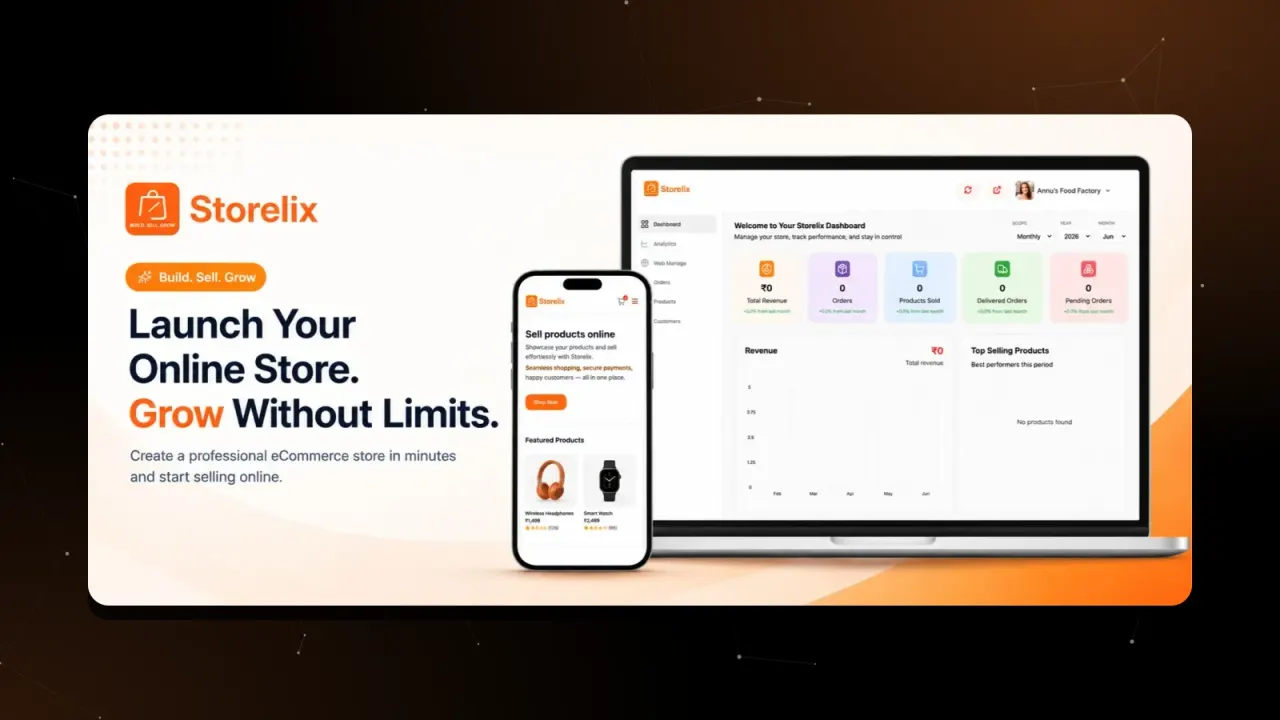
- Storelix is a SaaS e-commerce platform that lets a business launch an online store with inventory, order tracking and analytics, without building one from scratch.
- AttendEase is a workforce platform covering attendance with GPS, leave management and reporting.
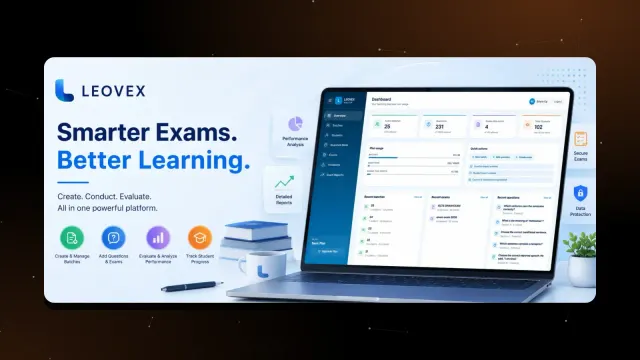
- LMS Platform and LEOVEX cover learning management and online examinations.
Starting from a product that already exists can shorten the time to launch and reduce risk. The key is to check how far it can be extended and whether you can take your data with you.
Red flags on both sides
- For products: you cannot export your data, important features are locked behind higher plans, or the vendor will not discuss a roadmap.
- For custom builds: a company that will not show you live work, will not put code ownership in writing, or promises everything without asking about your process.
A practical way to decide
Write down the three or four things the software must do for you, then test a ready-made product against them. If it handles at least most of them with little bending, buy it. If you find yourself working around it for the things that matter most, that is the point at which custom software pays off. If you are unsure, ask for a short discovery phase, which is a small piece of paid work to define the scope, before committing to a large build.
We build both ways, and we are happy to tell you honestly which one suits your case. Get in touch and describe what you are trying to do. You may also like our guide on how to choose an app development company.
Frequently asked questions
Is custom software always more expensive than off-the-shelf software?
It costs more to start, but not always more over time. Ready-made products charge monthly or per-user fees that continue indefinitely, and you may pay for features you never use. Custom software has a bigger upfront cost, but you own it and can change it as your business changes.
Can we start with a ready-made product and customise it later?
Often yes, and it can be a good middle path, provided the product can be extended or its data can be exported. Ask about both before you commit.
Written by Leopard Tech Labs